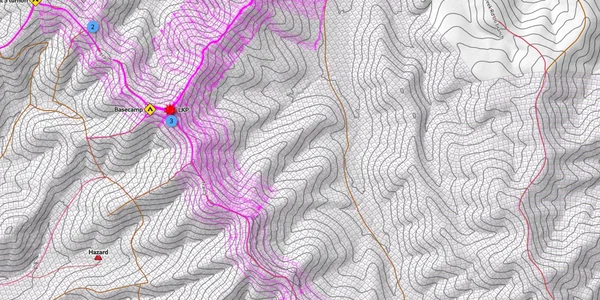
One Shared Map: Finding Australia's Missing with QField
Find Our Lost Loved Ones, an Australian volunteer nonprofit, uses QField, QGIS and QFieldCloud to coordinate large ground searches for missing people. In 2026 the team located two missing people that official searches could not, giving their families an end to years of uncertainty.
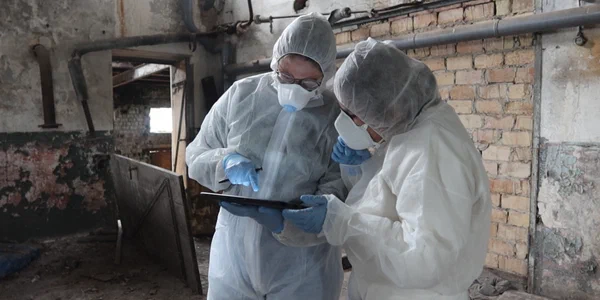
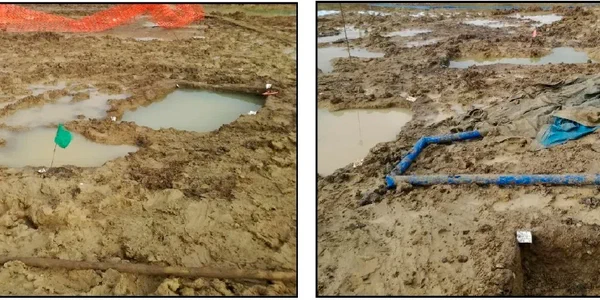
Heritage Impact Assessment using QField
**From QGIS to QField and Vice Versa: How the new Android application is facilitating the work of the archaeologist in the field**
**Abstract:** The aim of this paper is to highlight the main benefits of using the QField app in archaeological jobs. In particular the article provides examples of how to use QField in open area excavation, archaeological survey, and impact assessment (HIA) projects.
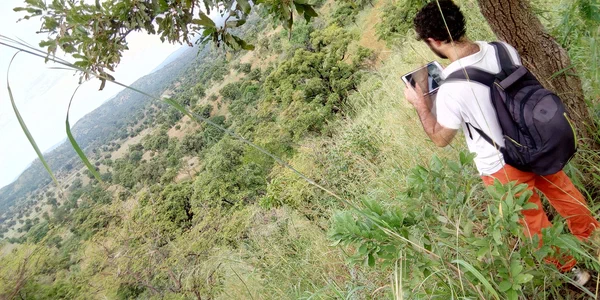
Use of QField in the context of ground-truth data collection work of malaria transmitting mosquitoes
For a research work aiming at improving the knowledge on the environment of the mosquitoes that transmit malaria, the French Research Institute for Sustainable Development needed to generate a land cover map of two rural areas in Africa, one in Burkina Faso and one in Ivory Coast. Two satellites images (Spot 6 at 1.5 meters spatial resolutions) are used as input of a supervised object-based image classification for this work. The supervised method implies the collection of ground truth parcels, i.e. location and geo-referencing of a set of parcels of each land cover class on the ground, preferably spread all over the study areas. Both areas are 50 km2 wide and their nature (savannahs and rural areas, where roads are mainly narrow clay tracks) imply to move around in motorbike or by feet.